How Pneumatic Fastening Supports Repeatability in Trim and Cabinetry
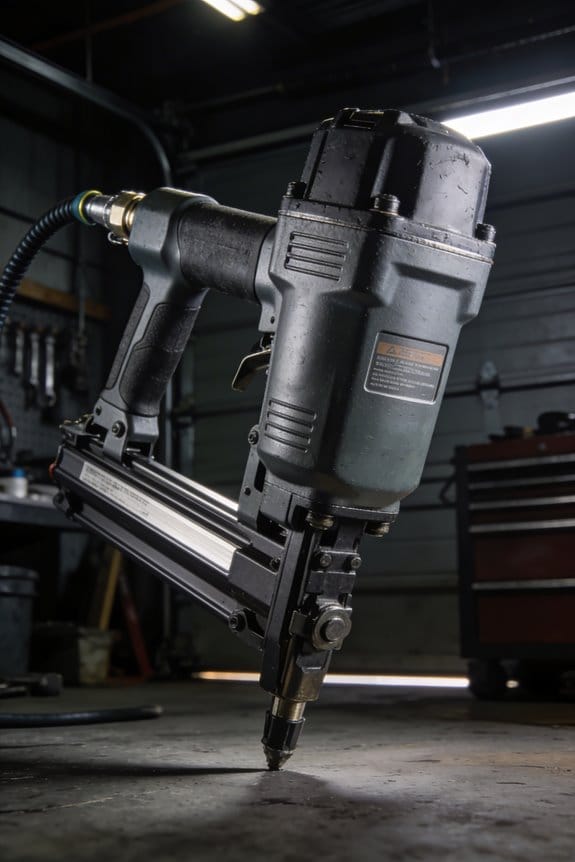
Pneumatic fastening boosts repeatability in trim and cabinetry—set pressure, test on scrap, record settings to cut rework. Learn setup fast, try it now.

Pneumatic fastening boosts repeatability in trim and cabinetry—set pressure, test on scrap, record settings to cut rework. Learn setup fast, try it now.
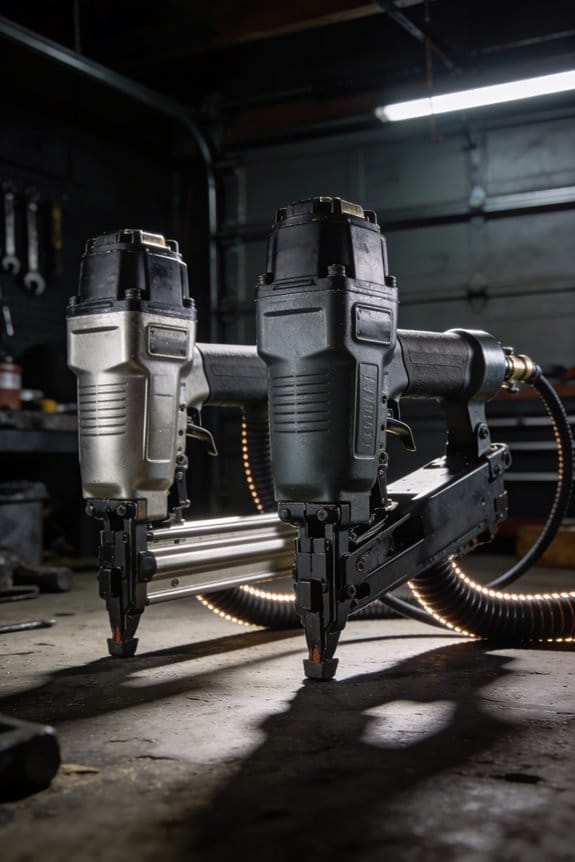
Brad nailers became must-have shop gear for quick, clean finish fixes—tiny holes, no split wood. Learn setup and filming tips; read on.
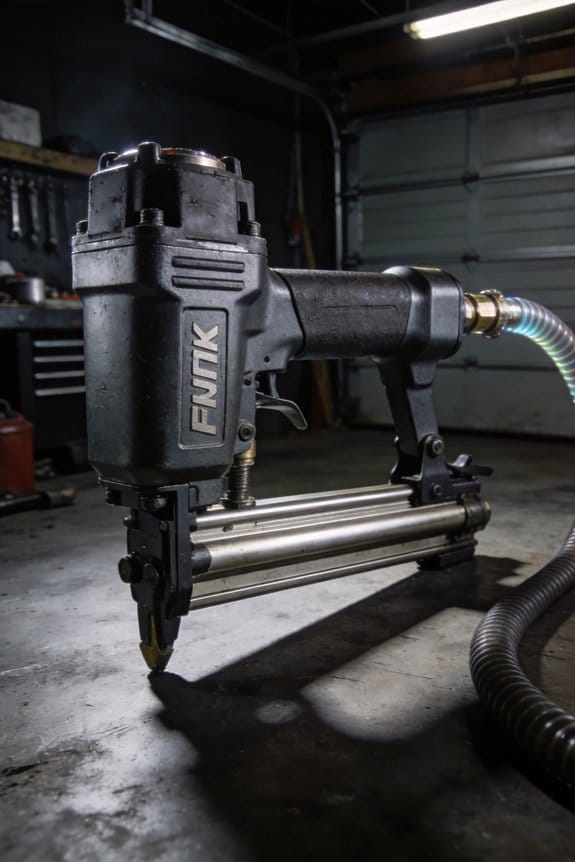
Finish nailers speed trim work and give precise, hidden fasteners for cleaner finishes—perfect for interior projects. Learn settings and picks now.
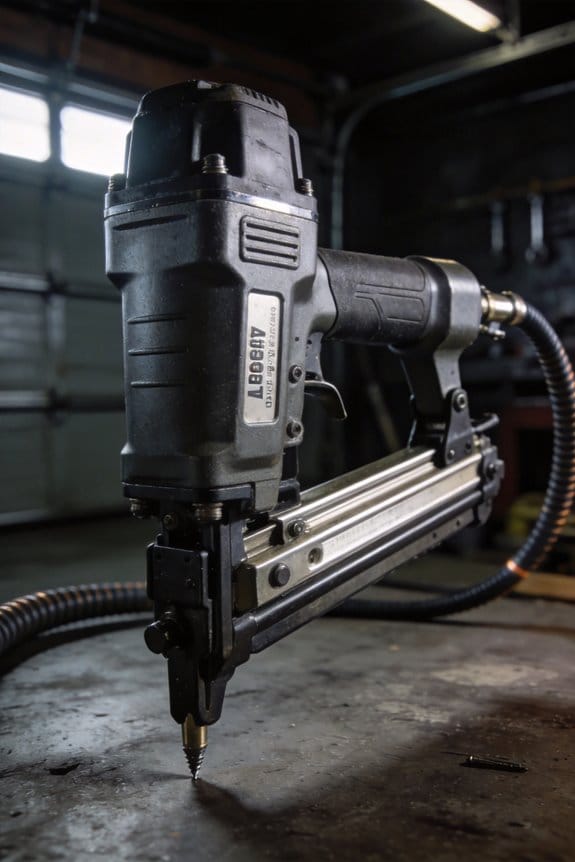
Depth adjustment on nail guns lets you set repeatable drive depth for each material and fastener, cutting guesswork and splits—test on scrap and try it now.
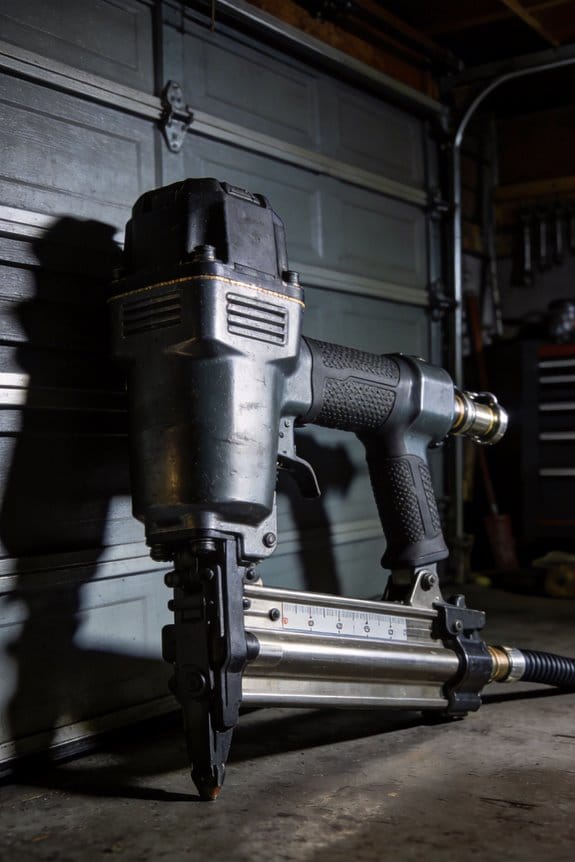
Roofing and siding nailers speed exterior jobs with fewer reloads, consistent depth, and less fatigue—get buying, rental, and maintenance tips now.
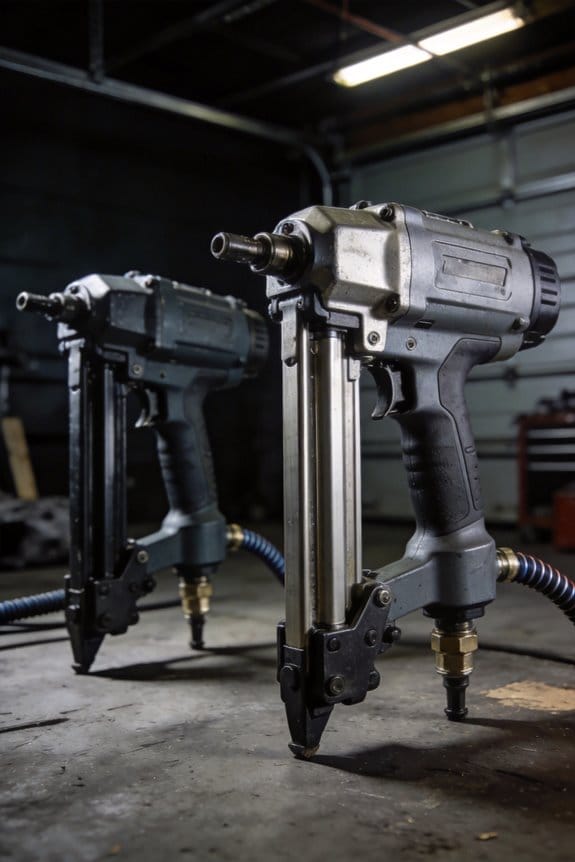
Bounce‑fire vs sequential‑fire: understand the speed vs precision tradeoff and which mode fits your tools or engines. Learn setup, tuning, and safety—get started.
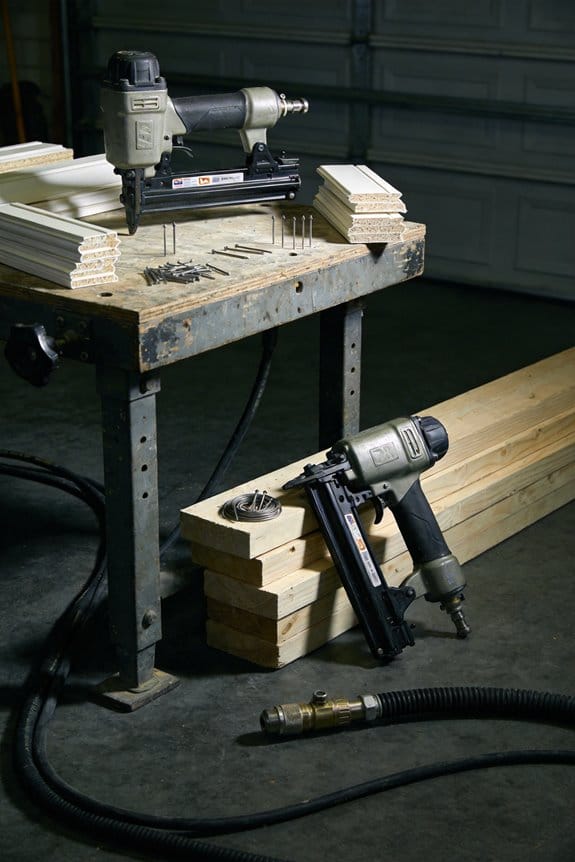
How trim carpenters use pneumatic tools: choose finer nailers, set depth on scrap, match compressor and hoses for clean, low‑visibility finishes — learn tips now.
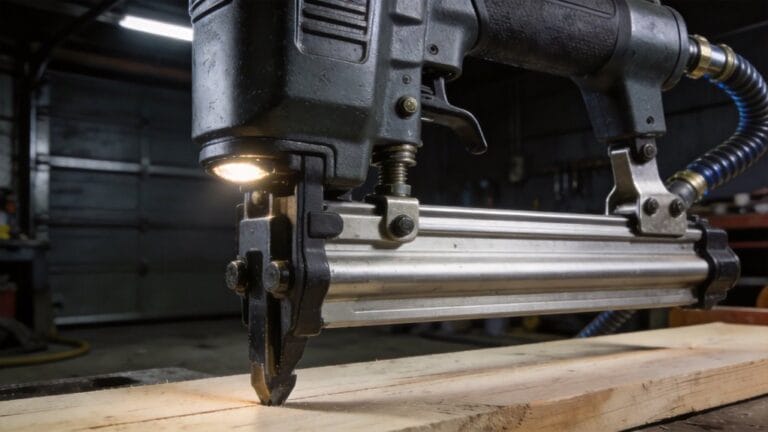
Most people stick with manual hammering because they think pneumatic nailers are too expensive or complicated. Here's what actually happens when you switch to pneumatic nailers in your furniture production shop: your speed increases immediately, your consistency improves dramatically, and your operator fatigue disappears almost overnight.
The key to pneumatic nailers is simpler than it sounds. They deliver consistent power through compressed air, which means equal force throughout extended use while driving thousands of nails per hour. You'll notice the difference right away when you're not fighting hand cramps after a full day of production.
Step 1: Choose the right pneumatic nailer for your specific woodworking needs. Different nailers handle different nail sizes and materials, so match the tool to your most common production tasks.
If you've ever struggled with inconsistent nail depth or bent nails during manual hammering, this is why pneumatic nailers solve those problems automatically. The compressed air maintains steady pressure, eliminating the human variability that causes rejects.
Think of pneumatic nailers like having a reliable assistant who never gets tired or makes mistakes. They maintain the same driving force whether it's your first nail of the day or your thousandth.
The upfront cost quickly offsets through reduced labor hours and fewer rejects, making pneumatic nailers an indispensable tool for production-minded woodworking. You'll recover your investment in months, not years, through increased output and reduced waste.
Here's what actually happens when you calculate the numbers: if you're producing furniture pieces that require 50 nails each, and you can drive those nails in 30 seconds instead of 3 minutes, you're saving 2.5 minutes per piece. Multiply that across hundreds of pieces per week, and you'll see why production shops make the switch.
Most people underestimate how much operator fatigue affects quality. When you're tired, your hammering becomes inconsistent, leading to surface damage and misaligned joints. Pneumatic nailers eliminate this variable completely.
Step 2: Set up your compressed air system properly. You need adequate pressure (typically 70-120 PSI) and clean, dry air to prevent tool damage and ensure consistent performance.
If you've ever wondered why some pneumatic tools seem to lose power over time, it's usually air quality issues. Moisture and debris in your compressed air line will destroy your investment quickly.
Think of your compressed air system like the foundation of a house. If it's not solid and clean, everything built on top of it will have problems.
The key to long-term success with pneumatic nailers is maintenance. You'll need to oil the tool regularly and keep your air filters clean. This takes five minutes per day but prevents hours of downtime later.
Step 3: Train your operators on proper technique. Even with pneumatic tools, there's a learning curve for optimal results.
Most people think pneumatic nailers are foolproof, but proper positioning and pressure application still matter. Your operators need to understand how to hold the tool, where to place nails, and how to maintain consistent contact with the workpiece.
If you've ever had nails blow through the back of a board, this is why proper technique matters. Pneumatic nailers have more power than manual hammering, so operator skill becomes even more critical.
Step 4: Organize your workflow around pneumatic nailer efficiency. Position your compressor centrally, keep nail supplies accessible, and plan your assembly sequence to minimize movement.
Think of your production line like a conveyor belt. Every step should flow naturally into the next, with your pneumatic nailer as the central tool that ties everything together.
Here's what actually happens when you optimize your workflow: you'll reduce setup time between pieces, minimize walking distance, and keep your operators focused on production rather than tool management.
The upfront cost quickly offsets through reduced labor hours and fewer rejects, making pneumatic nailers an indispensable tool for production-minded woodworking. You'll wonder how you ever managed without them.