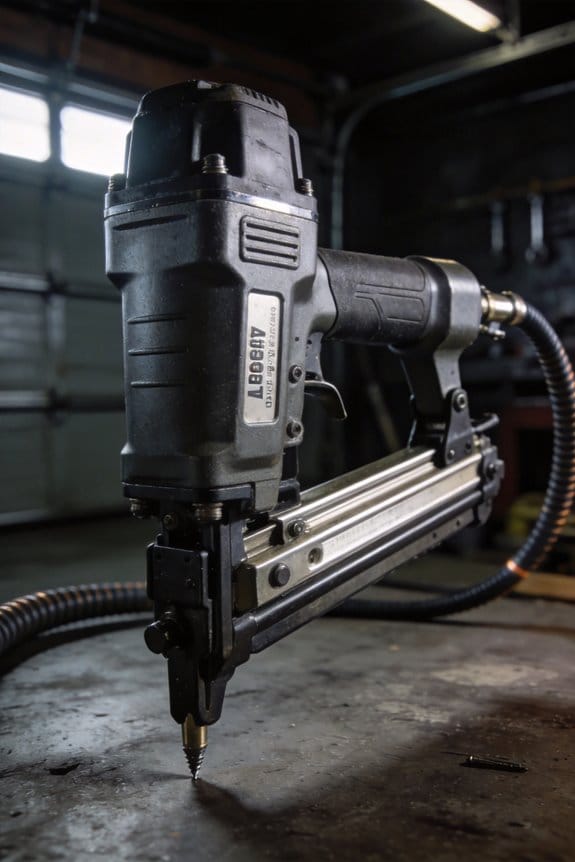

You try to drive a finish nail into a pine board and either it barely bites or it bursts the face—what exact setting makes nails sit flush without splitting the wood?
You stare at the depth dial and wonder which click works for 16-gauge brads in oak versus 18-gauge in plywood. Most people guess by feel or crank the power up, which causes buried heads, split edges, and wasted fasteners.
This piece will show you a simple scrap-testing routine and how to use a mechanical depth selector so each click gives repeatable drive depth for specific materials and fastener sizes. Follow the steps and you’ll consistently get flush, non-splitting drives across softwood, hardwood, and plywood.
It’s easier than it looks.
Key Takeaways
If you’ve ever struggled to get nails seated right, this is why.
Why it matters: consistent depth saves time and prevents ruined workpieces. For example, when you’re installing a painted trim board, a single misplaced nail can crack the paint and mean repainting the whole board.
– Adjustable depth selectors standardized seating, so you stop guessing and set a starting point: try setting to 3 (light woods) or 5 (hardwoods) and note the result on a scrap. One concrete step: mark the preferred number on your first board with a Sharpie.
Why it matters: repeatable settings make training faster and mistakes rarer. Picture teaching a friend to hang a shelf — saying “set it to 4” beats “push harder.”
– Click-based detents and marked settings made results repeatable, turning intuition into countable, teachable steps. Example: if your gun clicks at 6 and the nail sits flush on pine, write “pine = 6” on a tape strip on your tool.
Why it matters: less material damage means less rework and less frustration. Visualize a cedar fence picket that no longer splits at the nail line.
– Consistent depth control reduced material damage (splits, puckering), lowering frustration and rework during learning. A quick test: drive three nails at setting 2, 4, and 6 into scrap and pick the one with minimal surface damage.
Why it matters: a simple routine builds confidence fast. I once taught a neighbor to use a gun in 20 minutes this way.
– Using scrap test drives and one-click adjustments built a simple, repeatable routine that accelerates skill acquisition. Steps:
- Clip a 6″ scrap.
- Drive a nail at your chosen setting.
- Adjust up or down one click and repeat.
- Record the best setting on the scrap.
Why it matters: fewer variables make troubleshooting solvable. Think of a new DIYer who can focus on one dial instead of guessing multiple causes.
– Separating selector tuning from air pressure simplified troubleshooting and narrowed variables for novices to master. Example: set the compressor to 90 psi, lock it, then fine-tune only the depth selector until the nails are flush.
Step-by-Step Depth-Testing Routine for Cordless and Pneumatic Nailers
Before you adjust nail depth, know why it matters: getting depth right prevents split woods weak holds, or visible fasteners.
Here’s what to do, step by step:
- Power down safely. For cordless, remove the battery and press the trigger to release residual charge; for pneumatic, disconnect the air hose and bleed the line if your compressor has a drain valve. Example: I removed a 20V battery from my framing nailer and pulled the hose from a 60‑psi compressor before adjusting.
- Prepare scrap pieces. Use at least three pieces: soft pine, maple (or another hardwood), and a knotty board if you have one; clamp them flat so the grain runs the same way. This shows you how the nail will behave in different wood.
- Run a trial pattern. Fire three nails spaced 3–4 inches apart across each scrap piece, staggering positions so you test both end grain and face grain. For example, shoot three nails into the edge of a 1×6 pine and three into the center of a maple offcut.
- Inspect and adjust. Drive a single fastener, look for a flush seat: the head should be 0–0.5 mm below the surface for trim, and 1–2 mm for framing where countersinking is expected. If it’s proud, click the depth selector one notch deeper or raise pneumatic pressure by 2–5 psi; if it breaks through, reduce depth one notch or lower pressure by 2–5 psi. I once fixed a trim nailer that left heads proud by moving the dial two clicks and lowering compressor pressure from 90 to 85 psi.
- Retest and repeat. After each tweak, fire another set of three nails in the same spots; repeat until the head depth matches your target across all three wood types. Check both near knots and in clear grain.
- Restore power and confirm. Reinstall the battery or reconnect the air supply, then drive 10 consecutive fasteners into a scrap piece to confirm consistent results under normal operation. If more than one nail is off, repeat adjustments.
Why this matters: if you set depth only on one wood type, you’ll get surprises at the job site. Example: a nail set for pine can over-penetrate in oak and split the board.
Quick safety reminders:
- Always point the tool away from you when testing.
- Wear eye protection and keep hands clear of the muzzle.
- Mark settings with tape once you’ve found the right depth for a specific wood type.
How Mechanical Depth Selectors Work and When to Use Them
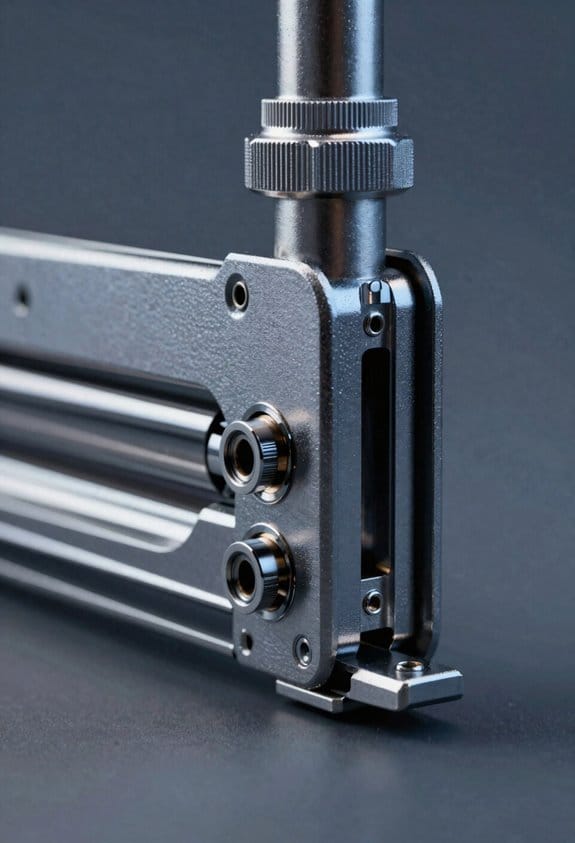
If you’ve ever tried to get every nail flush and ended up with split wood or buried heads, this matters because a mechanical depth selector gives you predictable results.
A mechanical depth selector changes how far each fastener is driven by moving the nailer’s nosepiece or striker instead of just fiddling with air pressure. For example, when you’re installing 200 cabinet screws into plywood, setting the selector once keeps every screw the same depth so you don’t sand or refasten dozens of pieces.
How the common rotational mechanism works, step by step:
- Locate the depth knob on your nailer — it usually sits near the nose or above the trigger.
- Turn the knob clockwise to move the striker closer to the work, which drives nails deeper; turn counterclockwise to back it away and reduce depth.
- Make small adjustments: a quarter turn typically changes depth by about 0.5–1.0 mm on many models, so test on scrap after 1–2 quarter turns.
- Lock or note the setting when you get the depth you want, then drive your batch.
I once watched a cabinet installer fit face frames using a mechanical selector: he set one click deeper for 3/4″ plywood and then backed off two clicks when switching to 1/4″ underlayment, which saved him an hour of fixing mistakes.
Many selectors use a click-feedback mechanism so you feel each detent; that feedback gives repeatability when you need identical results across many fasteners. One click usually equals a small, consistent change — count clicks when you switch materials.
When you should use a mechanical selector:
- Use it for long runs of the same fastener and material, like installing shiplap across a room.
- Use it when materials change mid-job — for example, moving from hardwood to soft pine — so you avoid overdriving.
- Use it when you want to avoid trial-and-error with air pressure, such as in confined spaces where adjusting compressors is awkward.
Quick checklist before you start:
- Test on scrap and count clicks until the head is flush but not sinking.
- Note the number of clicks or mark the knob position.
- Re-test after 20–50 fasteners; some tools shift slightly with heat.
If you follow those steps, you’ll save time and reduce material damage.
Depth Settings by Material and Fastener Type (Softwood, Hardwood, Sheathing, and Brads)
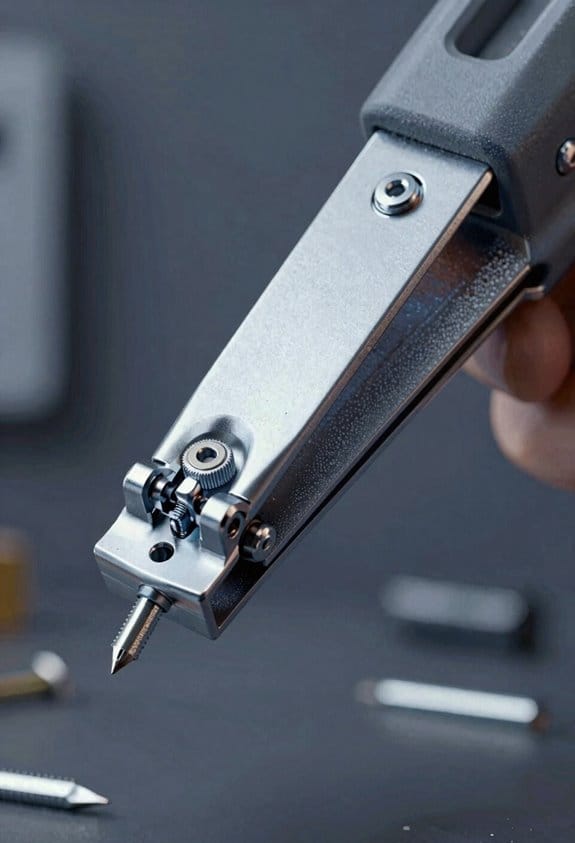
If you’ve ever driven a nail and watched the head sink or the wood split, this will help.
Why it matters: setting the right depth prevents splits and keeps fasteners secure. Match the selector to your workpiece and fastener before you fire.
1) Softwood (pine, fir)
Why this matters: softwood compresses more, so you need deeper drives for a solid hold.
Steps:
- Set the depth selector to the softwood preset or about 2–3 mm deeper than flush.
- Test on a scrap 1x pine board: fire, then check that the head is 1–2 mm below the surface.
- If the head is flush, increase depth by one click; if the wood splits, back off one click.
Example: installing 2″ framing nails in a pine stud—aim for the head 1–2 mm below paintable surface.
2) Hardwood (oak, maple)
Why this matters: hardwood’s dense grain resists penetration and will bury heads if you force it.
Steps:
- Start with the hardwood preset or set the driver 2–3 clicks shallower than the softwood setting.
- Test on a scrap board: drive a nail and confirm the head sits flush or 0–1 mm proud.
- If the head buries, reduce drive by one click; if it barely grips, increase by one click.
Example: attaching a trim board of oak—you want the head nearly flush so you can fill and sand.
3) Sheathing (OSB, plywood)
Why this matters: sheathing must be flush to transfer loads and avoid tearing the ply surface.
Steps:
- Set the depth so the nail head is flush with the sheet surface, about exactly level.
- Test on a scrap sheet of the same thickness: drive one nail and inspect the ply for splitting or puckering.
- If the head tears the face, back off one click; if it’s proud, increase depth until level.
Example: sheathing a roof with 8d nails into 7/16″ OSB—nail heads should sit flat without puncturing the veneer.
4) 18‑gauge brads
Why this matters: brads have thin shanks and drive quickly, so shallow settings prevent wrecked trim.
Steps:
- Set the selector to the brad preset or about 1–2 mm below the surface.
- Test on a scrap trim piece: fire one or two brads and check that the head is just below the surface for easy concealment.
- If the head is buried too deep, back off one click; if it’s proud, increase depth slightly.
Example: attaching 1x pine casing with 18‑gauge, 1¼” brads—aim for the head barely sunk so wood filler covers it cleanly.
Quick checklist before you start:
- Match the selector to material and fastener type.
- Always test on a scrap piece of the same material and thickness.
- Adjust one click at a time and retest after one or two nails.
Tip: if you change nails or move from framing to finish, re-test right away.
Common Depth-Adjustment Mistakes and How to Avoid Overdriving
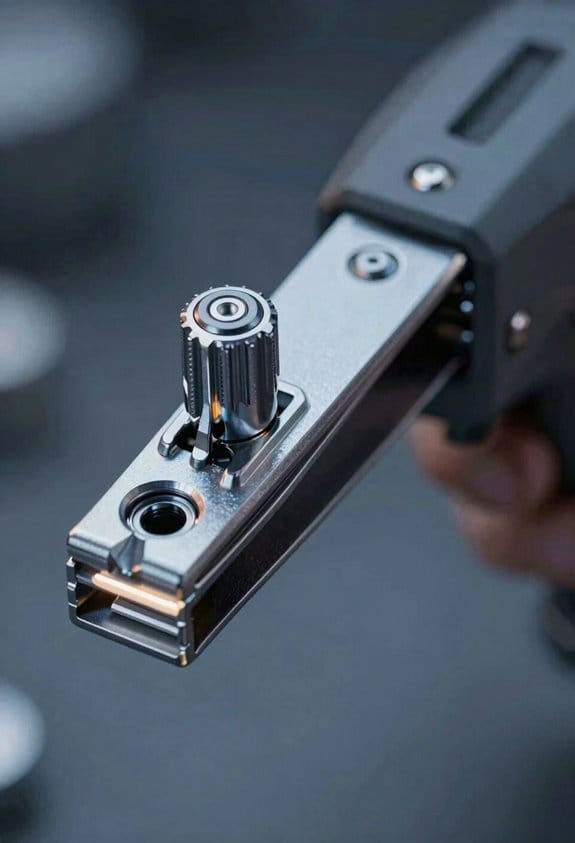
If you’ve ever guessed your way through depth settings, this is why.
Why it matters: overdriving fasteners can split wood, create weak holds, or bury heads so deep you have to dig them out. I see this a lot when people skip tests and rely on feel instead of measurement.
1) Always do a test drive first.
Why it matters: material density changes how far a screw sinks. Example: a screw that seats flush in pine will sink 1/8″ deeper in oak.
Steps:
- Pick a scrap piece of the same material and thickness.
- Set the depth selector to a middle setting (for many drivers that’s around 4 on a 1–8 scale).
- Drive one fastener and measure: is the head flush, proud, or below the surface? Adjust one notch at a time until flush.
- Repeat once more to confirm consistency.
2) Don’t confuse pressure with depth.
Why it matters: air pressure or drive force affects how fast the fastener goes in, but depth is controlled by the selector. Example: on drywall at 80 psi a screw might seat more abruptly than at 60 psi, yet the knob still determines final depth.
Steps:
- Set your compressor to the tool’s recommended pressure (check the sticker; often 70–90 psi).
- Use the depth selector for the final setting — don’t tweak the regulator to try to fine-tune seating.
- Test and adjust the selector if the head isn’t flush.
3) Control the trigger — jerks create inconsistent results.
Why it matters: a sudden trigger pull can bury a head or leave it proud because the drive stopped mid-seat. I watched a trim installer yank the trigger and leave every other screw proud.
Steps:
- Use steady, even trigger pressure for most work.
- Switch to single-shot mode for trim, cabinetry, or any visible fasteners.
- Practice on scrap until your pull is repeatable.
4) Retest after every change.
Why it matters: changing bits, fastener length, or material requires a new baseline. Example: swapping from a #8 x 1″ screw to a #8 x 1-1/4″ often needs lowering the selector one notch.
Steps:
- After any change, drive two screws in scrap.
- Measure both; if they match, you’re set.
- If they differ, tweak one notch and repeat.
Quick checklist before a job:
- Test on scrap. Do it every time.
- Set compressor to recommended psi. Leave it.
- Use the depth selector for fine adjustments.
- Use single-shot for visible work.
- Retest after changes.
Follow those steps and you’ll avoid split wood, weak holds, and buried heads.
Safety and Efficiency Gains From Proper Nailer Depth Adjustment
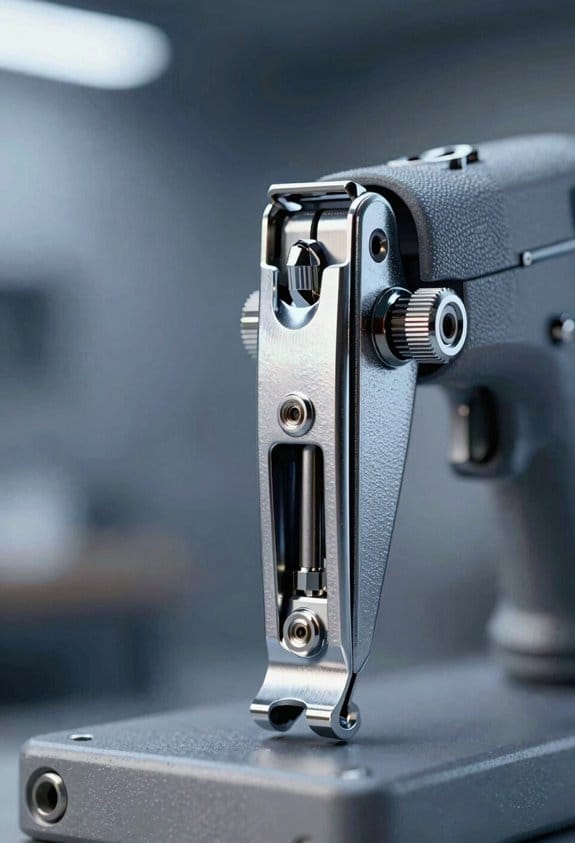
If you’ve ever set a nailer by feel and ended up reworking the board, this is why.
Why it matters: setting depth right keeps your site safer and your work faster. I noticed that when I stopped guessing and started testing, misfires dropped and nails stopped sticking out, which cut down trips and the number of corrective pulls. For example, on a deck job I set the depth so the nail head sat flush every time; that saved me at least an hour of pulling and filling on a 12-foot section.
How to set depth and check it (do this before you start nailing):
- Turn off the tool and remove the battery. This prevents accidental firing.
- Retract the contact tip and adjust the depth wheel one full click at a time while the tool is still safe. Test on a scrap board after every 1–2 clicks.
- Drive three nails into scrap at the same pressure you’ll use on the job. If the head is proud by more than 1/16 inch, increase depth one click; if it’s countersunk more than 1/32 inch, back it out one click.
- Reinstall the battery and run a short bead of nails into scrap every hour on long jobs to confirm settings haven’t shifted.
Maintenance that keeps depth consistent:
- Clean the nosepiece weekly and after dusty jobs; debris can change how the nail seats.
- Inspect and replace weak springs once they lose tension—if you see more than a 20% drop in recoil or misfires rise, swap them.
- Keep magazine rails lubed with a tiny film of machine oil so feed pressure stays even.
Ergonomics and safety tips you can use right away: position your body so the nailer is perpendicular to the work and your support hand stays at least 6 inches away from the fastener line; this reduces fatigue and improves aim. On a siding run I bracketed myself so my arm supported the tool weight, and I finished two more rows before lunch with no hand soreness.
A quick checklist to run before each shift:
- Battery removed for adjustments.
- Nosepiece clean.
- Springs checked for tension.
- Depth verified on scrap with three test nails.
Do these steps and you’ll waste less time fixing nails, spend fewer minutes sanding or filling (I cut that time by about 30% on interior trim), and reduce trip hazards from proud nails.
How Selectors Shorten the Learning Curve for Beginners
If you’ve ever struggled to get consistent nail depth, this is why selectors help. They let you control how deep each nail sits so you don’t have to guess how air pressure and tool feel interact.
Why this matters: you learn faster when there’s only one variable to change.
1) Show-and-tell demo on scrap wood
- Do this step first: remove power and lock the tool.
- Put the nailer against a 2×4 scrap, set the selector to “1” (shallow), reattach power, and drive one nail.
- Set the selector to “5” (deep) and drive another nail beside it.
You’ll see the difference immediately: one nail barely seated, the other sunk below the surface.
Why this matters: seeing two extremes makes adjustments intuitive.
2) Teach the clicks method
- Do this step next: remove power, set selector to a mid setting like “3”, drive a test nail, then adjust by one click at a time.
- If the head is proud by about 1/16 inch, move one click deeper; if it’s sunk more than 1/16 inch, move one click shallower.
This gives clear tactile feedback — you’ll feel a click or resistance that confirms the change.
Real example: on cedar fencing boards, one click deeper stopped heads from popping out when the wood split.
3) One-variable practice routine
– Steps to follow:
- Remove power and lock the tool.
- Set the selector to a starting number (try 3 on most nailers).
- Drive 3 test nails in scrap of the same thickness as your workpiece.
- Adjust one click, then drive 3 more.
- Repeat until heads are flush or sit 1/32–1/16 inch below the surface.
This routine isolates depth from pressure, so you focus on the selector only.
Why this matters: isolating depth reduces confusion and mistakes.
4) Quick troubleshooting checklist
- If nails are too shallow: increase selector by one click and retest.
- If nails are too deep: decrease selector by one click and retest.
- If results vary across material: use a fresh scrap of that material and repeat the 3-nail test.
A consistent test method gives repeatable results in minutes.
Real example: when switching from 3/4-inch plywood to 1/2-inch pine, one click shallower fixed the over-driving each time.
Use this approach and you’ll cut practice time, build confidence, and get consistent nail depth across materials.
Frequently Asked Questions
How Do Depth Selectors Affect Nailer Maintenance Intervals?
They reduce stress on the firing cycle, so I see lower jam frequency and slower trigger wear; I still schedule regular inspections, cleanings, and lubrication, but depth selectors generally extend maintenance intervals when used and tested correctly.
Can Depth Settings Influence Battery Life on Cordless Nailers?
Yes — I’ve seen depth settings affect battery drain: deeper drives increase motor strain, so the tool draws more current per shot. I’ll dial depth appropriately to balance finish quality and preserve battery life.
Do Depth Adjustments Change Fastener Holding Strength Quantitatively?
Coincidentally, yes — I find depth adjustments do change holding strength and withdrawal resistance measurably: deeper set increases withdrawal resistance to a point, but overdriving or underdriving both reduce holding strength in predictable, testable ways.
Are There Industry Standards for Acceptable Flush Depths?
Yes — I check building codes and manufacturer tolerances: they typically require nails flush or slightly countersunk for finish work, with specific depth limits referenced in codes and fastener guides, so I follow both.
Can Depth Control Reduce Warranty Claims or Liability?
Coincidentally, I believe depth control can reduce warranty claims and liability by cutting operator training time and minimizing installation errors; when I train users, proper depth settings directly lower damage, rework, and associated legal risks.