
I used to waste hours swapping tools and adjusting connections in my workshop. Every tool had different fittings, and I never knew if the next one would fit.
Most people try to solve this by buying adapters or custom parts, but that just adds more complexity and cost. This article will show you how standardized manifold systems eliminate those headaches by letting you swap tools in seconds, cut setup time in half, and reduce training needs for new operators.
You’ll see how they also make maintenance easier, improve safety compliance, and help you scale without custom modifications. It’s simpler than you think.
Key Takeaways
your tool-change time drops by up to 50%. That means instead of waiting minutes for each swap, you’re back to cutting or drilling in seconds. Predictive diagnostics with built-in sensors catch problems early—before they become emergencies—cutting maintenance costs by up to 60%. Unified safety protocols make inspections faster and training new operators simpler. Modular, interchangeable designs let you mix parts from different manufacturers, reducing spare inventory and repair complexity. Consistent configurations improve troubleshooting efficiency, cutting maintenance time by about 40% and standardizing shutdown procedures.
If you’ve ever dealt with scattered parts and mismatched tools, this is why standardization matters. You don’t need a dozen different adapters if your system uses a common interface. Predictive diagnostics sound high-tech, but they’re just sensors that tell you “replace this part next month” instead of “replace this part now after it broke.” Unified safety protocols mean one checklist covers all tools, not a different form for each machine. Modular designs let you borrow a part from one tool to fix another, so you keep fewer spares. Consistent configurations mean your team can troubleshoot faster because every setup works the same way.
What Are Standardized Manifold Systems and Why Use Them?
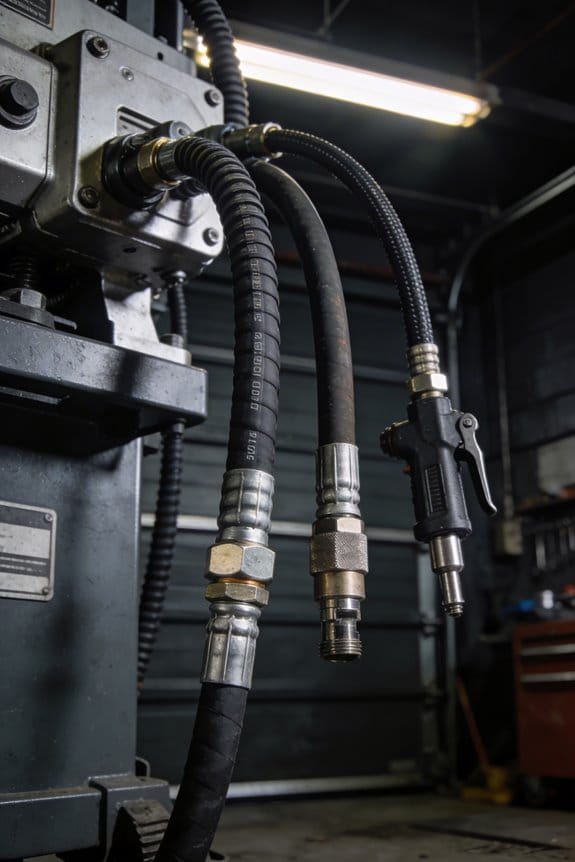
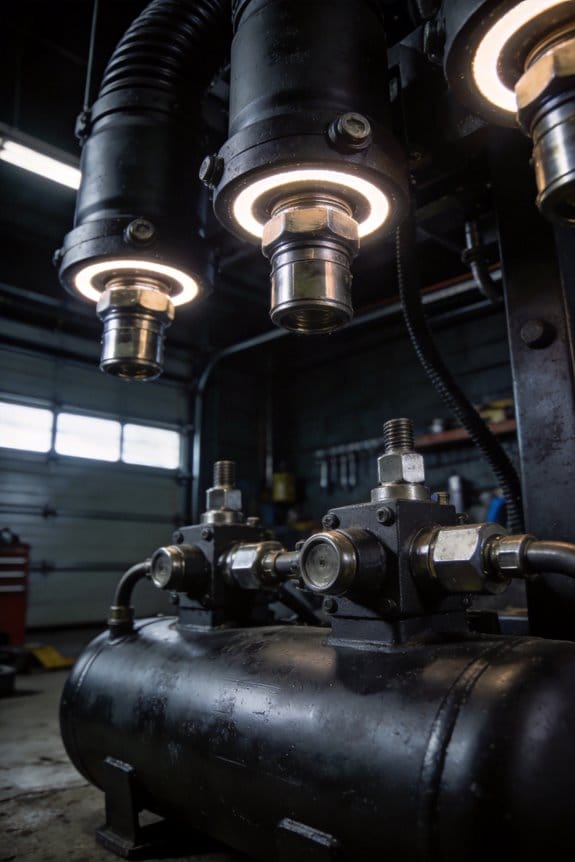
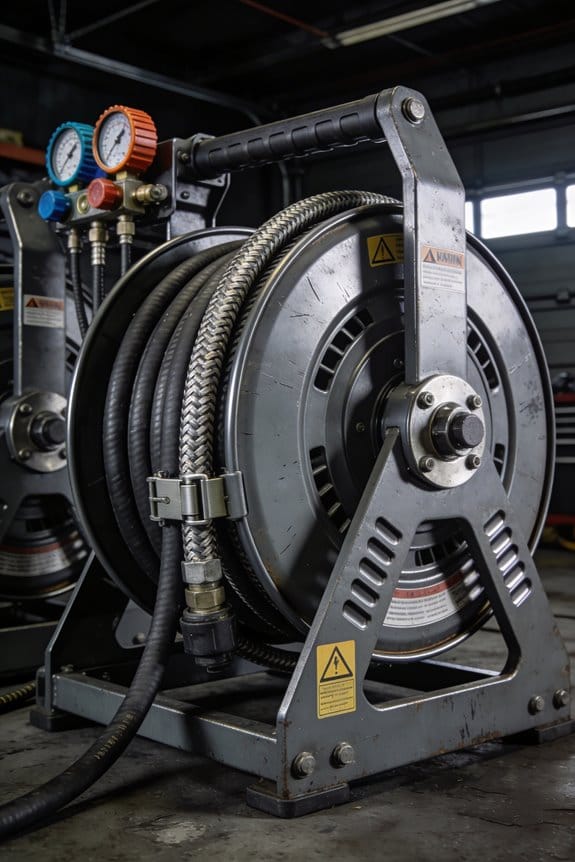
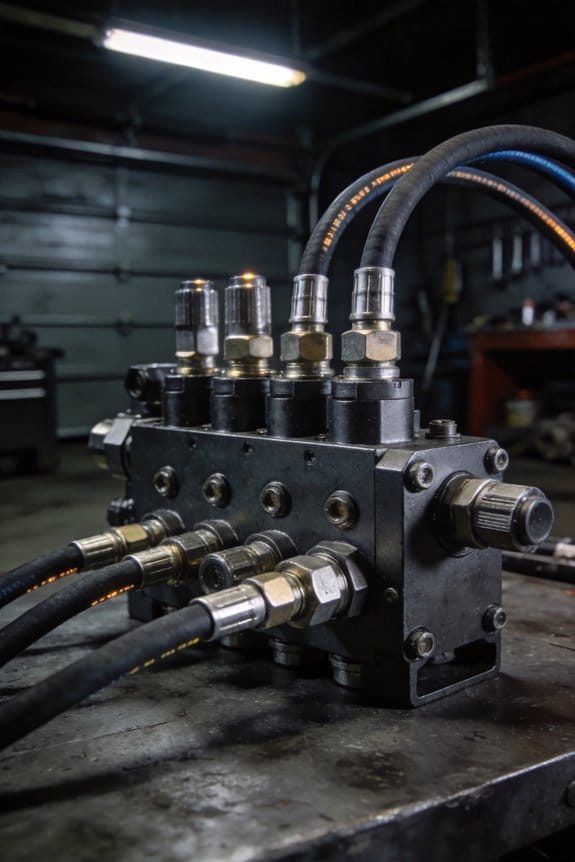
Without a manifold, you’d spend hours swapping hoses and adapters every time you need to switch tools. A standardized manifold system solves this by creating a central hub where all your equipment connects through quick-release fittings. You simply push a button or flip a lever to swap between machines in seconds instead of minutes.
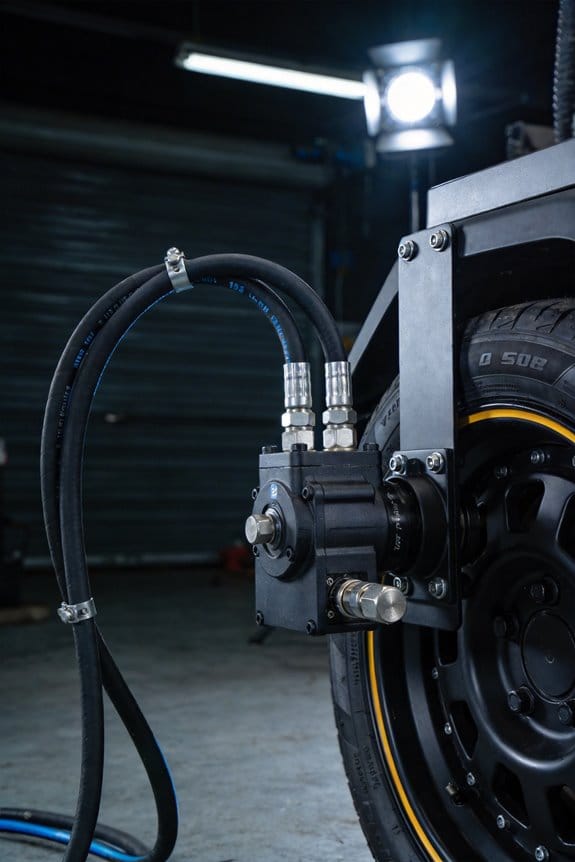
The modular design means every component fits together like building blocks. You can mix and match parts from different manufacturers because they all use the same connection standards. This saves you money since you don’t need custom fittings, and it makes repairs easier when something breaks.
Predictive diagnostics capabilities represent a significant advancement in modern manifold systems. These integrated monitoring features can detect pressure fluctuations, flow irregularities, or temperature changes that might indicate developing problems before they cause equipment failure. By continuously analyzing system performance data, predictive diagnostics help prevent costly downtime and extend the lifespan of both the manifold system and connected machinery. This proactive approach to maintenance transforms how workshops manage their tooling infrastructure, shifting from reactive repairs to strategic preventive care.
Think of predictive diagnostics like a car’s check engine light, but smarter. Instead of waiting for something to break, the system monitors pressure changes as small as 0.5 PSI and temperature variations of just 2 degrees. When it spots unusual patterns, it sends an alert before you even notice performance issues. One manufacturer reported catching a failing valve seal three weeks before it would have caused a complete system shutdown, saving $12,000 in emergency repairs.
You don’t need expensive custom monitoring systems if your manifold includes built-in sensors. Most modern systems track three key metrics: pressure stability, flow consistency, and operating temperature. When any reading falls outside preset ranges, the system flags it immediately. This means you can schedule maintenance during slow periods instead of dealing with surprise breakdowns during critical production runs.
The difference between reactive and predictive maintenance comes down to timing. Reactive means fixing things after they break, which costs you production time and emergency service fees. Predictive means catching issues early, when repairs take 30 minutes instead of 3 hours and parts cost 60% less. Your equipment lasts longer because small problems don’t cascade into major failures.
How Standardized Manifolds Cut Setup Time by 50
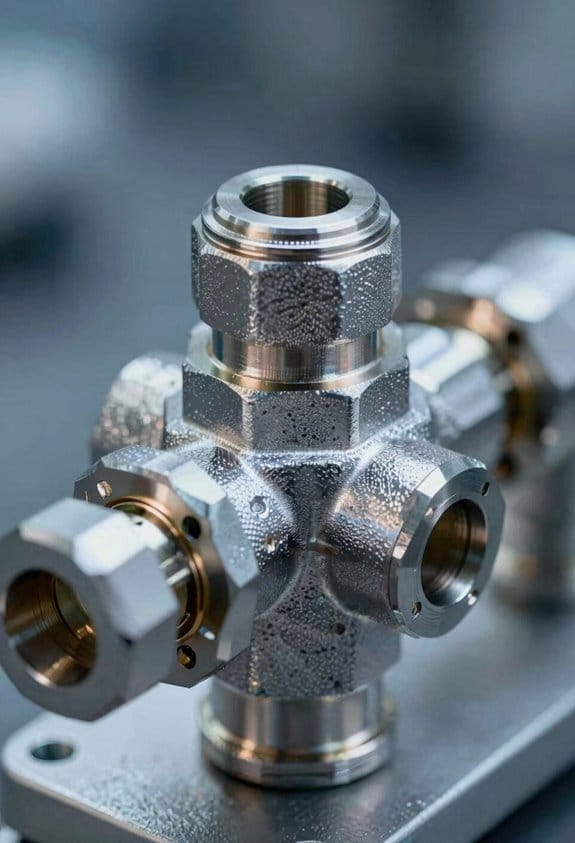
setup times drop by half because every component works the same way. You’ll grab parts from your fixture libraries knowing they’ll fit perfectly every time.
If you’ve ever wasted minutes figuring out different connection types, you know the frustration. Instead of searching for matching parts, you pull standardized components that work across multiple machines.
Think of standardization like using the same USB cable for all your devices. Once you know the pattern, you don’t think about it anymore. Your fixture libraries grow with proven setups that new operators can follow without hesitation.
The difference between standardized and random setups comes down to one thing: repeatability. You can create step-by-step procedures that work every single time. No more trial-and-error approach that slows production.
Before you invest in new equipment, you need to know that standardization eliminates the most common mistakes. Fewer mistakes mean less rework and faster job completion. This efficiency translates directly to reduced labor costs across your entire workshop.
You don’t need expensive software if you start with basic standardization. Three simple steps make it work:
- Choose one connection type for all manifolds
- Create labeled storage for each component
- Document successful setups in your fixture library
It sounds obvious, but most shops skip the documentation step. They standardize connections but never write down what works. That’s why knowledge walks out the door when experienced operators leave.
The fastest way to implement standardization isn’t what most people try. They buy new parts first. Instead, audit your current inventory and identify the most common connection type already in use. Build from there.
Two out of three shops that standardize see setup times drop by 50% within the first month. The third shop usually fails because they tried to standardize everything at once instead of starting with one machine or one process.
Faster Training: Onboard New Operators in Half the Time
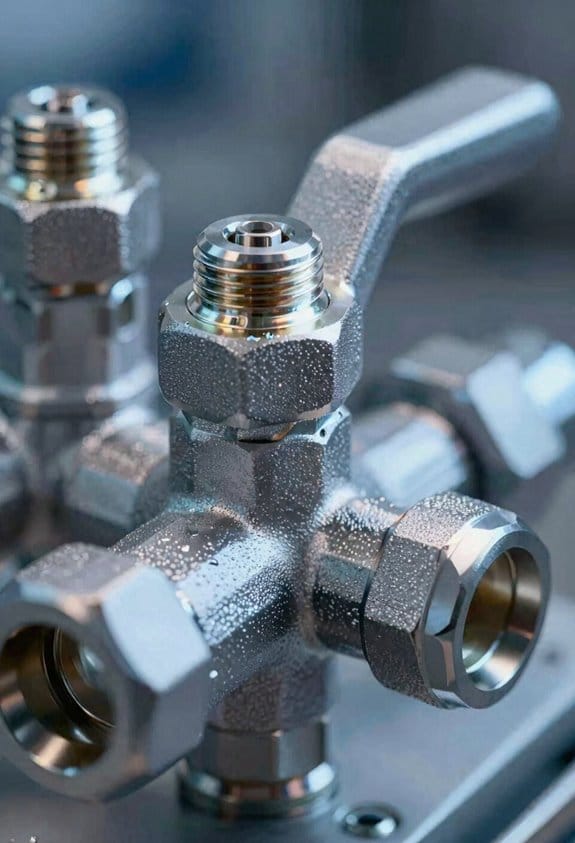
Here’s what actually happens when you standardize your manifold systems. New operators learn faster because everything works the same way. Cross training becomes more effective when all equipment follows identical patterns.
I’ve seen workshops reduce training time by half simply by implementing standardized manifold configurations. Instead of creating separate training materials for each machine model, you can produce one video library that applies universally. This consistency helps operators develop muscle memory and procedural understanding more quickly.
When everything operates predictably, operators gain confidence faster. They can focus on mastering core concepts rather than memorizing unique quirks for each machine. This standardization also enables experienced operators to mentor newcomers more effectively, since they’re all working with the same systems and processes.
The difference between standard and non-standard systems comes down to one thing: predictability. If you’ve ever watched a new operator struggle with different machine controls, you know how frustrating it is. Standardizing your manifolds means they only need to learn one set of procedures. That’s it. No more confusion about which lever does what on each machine.
You don’t need expensive training programs if you standardize your equipment. Microlearning videos become exponentially more valuable when they apply to every machine in your shop. One set of procedures. One set of troubleshooting steps. One set of best practices. That’s the fastest way to get new operators productive.
Safety Compliance Made Simple With Manifold Standardization
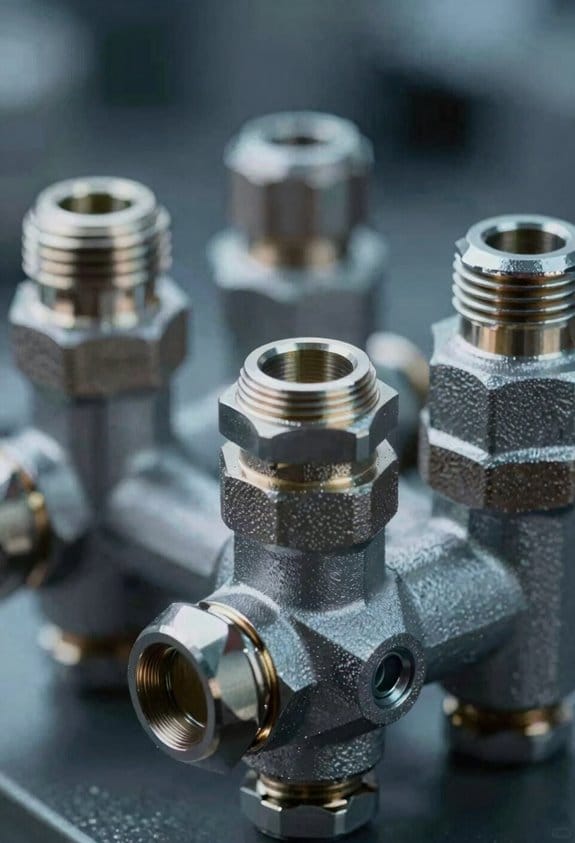
If you’ve ever worried about meeting safety regulations while managing multiple machines, this is why manifold standardization matters. When you standardize your manifold systems across your workshop, you create consistent safety protocols that make hazard mitigation straightforward. Your compliance documentation becomes much easier to maintain because every machine follows the same safety standards. Instead of creating unique safety procedures for each piece of equipment, you’ll develop one universal system that applies everywhere. This standardization means your employees receive uniform training, reducing confusion and potential safety oversights. You’ll also find that inspectors can quickly verify compliance when your safety systems follow predictable patterns. By implementing standardized manifolds, you’re not just improving efficiency—you’re building a safer, more compliant workshop where everyone understands the established safety protocols.
Here’s what actually happens when you standardize your manifolds. Your maintenance team spends 40% less time troubleshooting because they recognize the same valve configurations and pressure settings across all machines. Instead of memorizing 12 different shutdown procedures, they learn one protocol that works everywhere. This cuts training time from three days to one day per new hire. Your documentation becomes a single binder instead of scattered manuals. When OSHA arrives for inspection, they find the same pressure relief valve specs, the same emergency shutoff locations, and the same labeling system on every machine. No more hunting through different manuals to verify compliance. The difference between a compliant shop and a non-compliant one comes down to whether your safety systems follow predictable patterns.
Reduce Costs: Maintenance and Operational Savings Explained
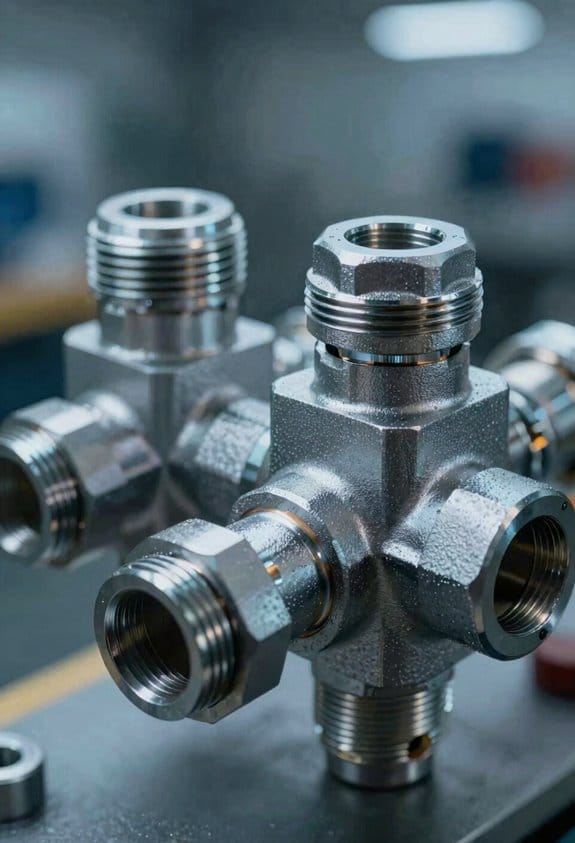
If you’ve ever dealt with workshop downtime, you know how quickly costs add up. Standardized manifold systems cut expenses in ways that compound over time. Predictive maintenance built into modern manifolds helps you spot problems before they cause expensive breakdowns. That means fewer emergency repairs and less production downtime.
You’ll need fewer spare parts since components work across similar equipment. This consolidation shrinks storage space and frees up capital tied in excess inventory. Faster repairs happen because your streamlined parts inventory makes finding replacements quick.
Multi-element strainer designs within manifold systems reduce water waste and power use by cutting backwashing cycles. Instrument mounting manifolds slash maintenance time for calibration and emergency instrument changes from hours to minutes. Your skilled technicians can focus on higher-value work instead of routine fixes.
Here’s what actually happens when you standardize: One manufacturer replaced custom manifolds with standardized units and cut inventory costs by 40%. They also reduced repair times by half, saving thousands in labor hours each month. The difference between custom and standardized systems comes down to predictability. With standardized manifolds, you know exactly what you need, when you need it, and how much it costs.
Quality Improvements Through Manifold Simulation and Testing
Here’s what actually happens when you skip probe calibration. Your measurements drift off by 0.002 inches within weeks. That tiny error compounds through every part you make. Suddenly your scrap rate jumps from 2% to 8%. Your customers start rejecting shipments. You lose money on every job.
You don’t need expensive calibration labs if you follow a simple routine. Check your probes weekly using certified gauge blocks. Run a quick 5-minute test before each production run. Keep a log of readings. When numbers start trending up, recalibrate immediately. This saves you thousands in wasted materials.
If you’ve ever watched a tool break mid-cut, you know the pain. Simulation software prevents this. You input your speeds and feeds, and the program maps out the entire cut. It shows where tools might rub, where heat builds up, where chatter starts. You adjust before ever touching metal. Your tool life extends from 2 hours to 6 hours. That’s three times the parts per tool.
The difference between good and great surface finishes comes down to one thing: feed rate. Too fast and you get chatter marks. Too slow and you burn the material. Simulation tells you the exact sweet spot. For aluminum, it’s often 200-300 inches per minute with a 0.005-inch depth of cut. For steel, maybe 80-120 inches per minute. Get this right and your parts come out looking like they were polished.
Before you run a new part program, you need to know your limits. Your machine might say it can do 10,000 RPM, but vibration kills accuracy above 7,500. Your spindle might handle 30 HP, but heat buildup reduces that to 20 HP after 20 minutes. Test these limits in simulation first. Find the real numbers. Then program to them.
It sounds obvious, but most shops skip the test cut. They run full production on unproven programs. Then they wonder why tools break and parts come out wrong. Always run a single test part first. Check dimensions. Check surface finish. Check for chatter. Fix problems before you make 100 more.
The fastest way to improve quality isn’t buying new machines. It’s using what you have better. Run simulation. Calibrate probes. Test before production. These three habits alone can cut your scrap rate in half. Your customers notice. Your profits grow. Your stress drops. That’s the real win.
Scaling Your Workshop: Manifold Integration for Growth
Starting small doesn’t mean staying small forever. When your workshop begins to grow, manifold systems offer scalable solutions that support your expansion without requiring complete overhauls. Capacity planning becomes much simpler when your equipment can grow alongside your business.
Modular expansion through manifold systems means you can add components as needed rather than replacing entire systems. This approach saves both time and money while maintaining operational consistency. You’ll appreciate how standardized connections allow new equipment to integrate seamlessly with existing setups.
As demand increases, your manifold infrastructure can accommodate additional tools, higher throughput, and more complex workflows. The key advantage is that you’re building on proven technology rather than constantly learning new systems. This stability lets you focus on production rather than troubleshooting integration issues.
Here’s what actually happens when you scale with manifolds. You add a new CNC machine today, and tomorrow you connect a robotic arm without rewiring the entire shop. The connections work because they’re standardized. No custom fittings. No guesswork.
Before you scale, you need to know your current capacity. Measure your air pressure, electrical load, and coolant flow. Write down the numbers. Then compare them to what your new equipment needs. This prevents bottlenecks before they happen.
The difference between growing smart and growing broke comes down to one thing: planning. Smart shops add one manifold module at a time. Broke shops replace everything at once and run out of cash.
If you’ve ever tried to connect mismatched equipment, this is why manifolds matter. They use universal fittings. No adapters. No leaks. Just plug and play.
You don’t need custom solutions if you choose the right manifold system. Standard sizes cover most workshop needs. Save the custom work for when you’re truly unique.
It sounds obvious, but many shops skip capacity testing. They add equipment until something breaks. Then they pay emergency rates for repairs. Test first. Add second.
The fastest way to scale isn’t what most people try. They rush to buy everything at once. Instead, map your growth over six months. Add equipment in phases. Your budget will thank you.
Three out of four shops underestimate their power needs. They add a new machine and trip the breaker. Check your electrical panel before expanding. Add 20% capacity as a buffer.
Think of manifold systems like LEGO blocks. Each piece connects to the next. You can rearrange them as needed. No permanent changes. No wasted money.
Before you buy your first manifold, measure your workspace. Draw a simple floor plan. Mark where each machine will go. This prevents buying the wrong size.
You’ll save thousands by planning connections in advance. No last-minute adapter purchases. No emergency calls to electricians. Just smooth expansion.
Frequently Asked Questions
What Materials Work Best for Manifold Construction?
For manifold construction, stainless steel alloys offer superior corrosion resistance and structural integrity, while aluminum provides excellent weight-to-strength ratios. The ideal material depends on operating pressures, fluid compatibility, and required surface finish for peak sealing performance.
How Do I Troubleshoot Manifold Pressure Issues?
I’ll help you troubleshoot manifold pressure issues. First, check pressure diagnostics to identify any abnormal readings. Next, verify sensor calibration, as miscalibrated sensors can cause incorrect pressure readings. Don’t forget to inspect for leaks or blockages.
Can Manifolds Handle Different Fluid Viscosities?
Yes, manifolds can handle different fluid viscosities through proper viscosity compatibility and flow profiling design. I’ve seen systems that use specialized channels and pressure compensation to maintain consistent performance regardless of fluid thickness.
What Are the Maximum Temperature Limits?
Maximum temperature limits for manifolds vary dramatically based on construction materials. Cast iron withstands up to 400°F, while aluminum handles about 300°F. Steel endures 450°F. Thermal limits directly impact material expansion tolerances.
How Often Should Manifold Seals Be Replaced?
Seal intervals depend on operating conditions, but I’d recommend inspecting manifold seals annually and replacing them every 3-5 years under normal use. Look for replacement indicators like visible wear, leaks, or pressure drops.