Why PPE Still Matters When Using Nail Guns and Spray Guns
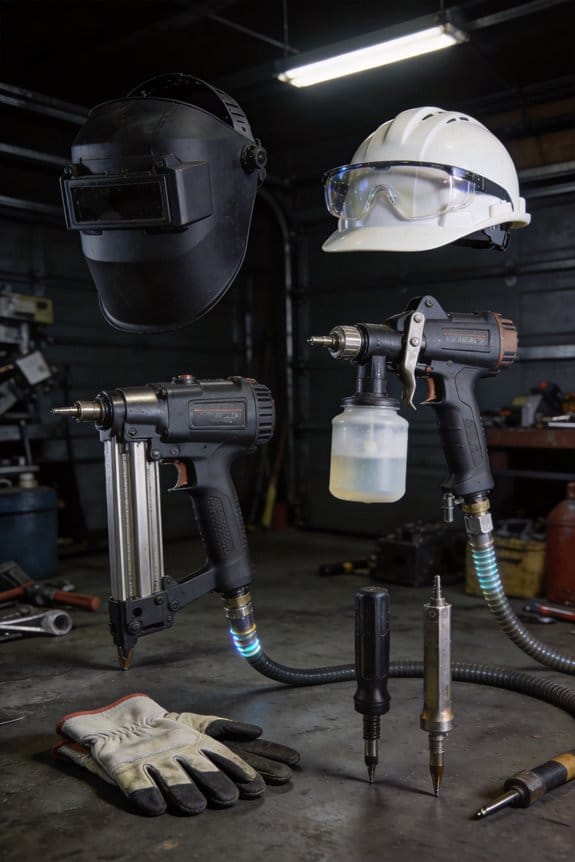
Why PPE still matters with nail and spray guns: protect eyes, lungs, hands and hearing from ricochets, mist, and fumes — learn practical gear choices now.

Why PPE still matters with nail and spray guns: protect eyes, lungs, hands and hearing from ricochets, mist, and fumes — learn practical gear choices now.
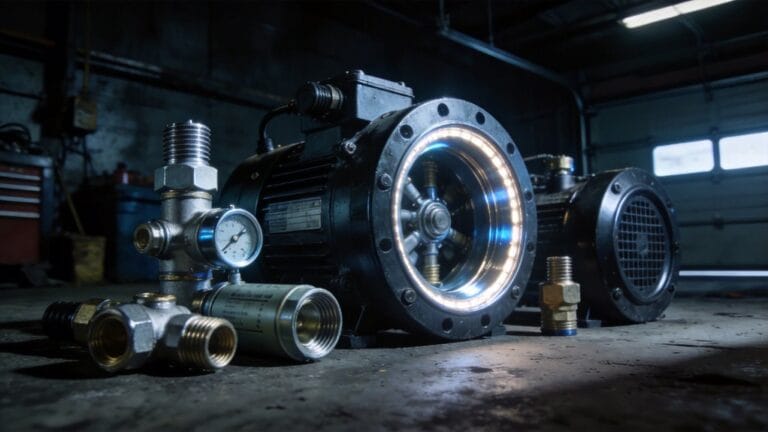
Here's what actually happens when you skip drain cycles on your air compressor.
Moisture builds up inside the tank, causing rust that weakens the metal walls. This rust flakes off and contaminates your compressed air, damaging tools and ruining paint jobs. You'll notice water in your lines causes pressure drops and inconsistent tool performance.
The key to protecting your compressor is draining daily. This prevents moisture accumulation, protects your equipment from corrosion, and maintains clean, dry air that keeps your tools running smoothly.
Step 1: Find the drain valve — it's usually at the bottom of the tank.
Step 2: Open the valve completely and let all the water drain out. You'll hear a hissing sound as air escapes with the moisture.
Step 3: Close the valve tightly when only air comes out. No water should remain in the tank.
Most people forget to drain their compressor until they notice problems. Here's the better way: set a daily reminder on your phone or do it at the end of each workday.
Think of your compressor like a water bottle left in the car. If you don't empty it regularly, bacteria grows and the bottle gets gross. Your compressor works the same way with moisture.
If you've ever had paint jobs with fisheyes or tools that sputter, this is why. Contaminated air from moisture buildup causes these exact problems.
You'll extend your compressor's lifespan by years when you maintain this simple habit. The cost of a few minutes daily beats replacing a rusted tank or buying new tools.
The difference between a compressor that lasts 5 years versus 15 years often comes down to whether you drained it regularly.